

How to Improve Your Credit Before Applying for a Small Business Loan
TL;DR
- Review your personal credit reports and any business credit reports you have.
- Focus on correcting errors, paying on time, and keeping credit card balances manageable.
- Build business credit separately, while recognizing that lenders may still review your personal credit.
- Improvement takes time. Your score matters, but lenders also consider your ability to repay.
A slow season, an unexpected expense, or a customer who pays late can put pressure on your finances. If your credit has taken a hit, applying for a business loan may feel like one more hurdle.
You can start preparing before you submit an application. Learning how to improve your credit for a small business loan begins with understanding what is on your reports and identifying steps you can take.
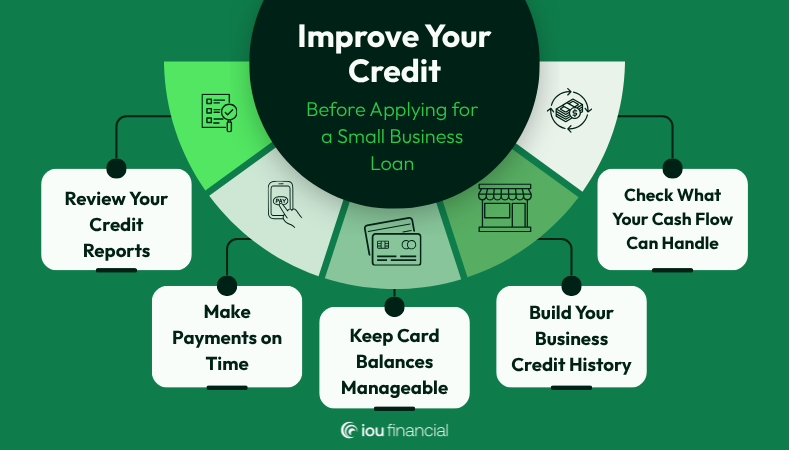
Get Smart About Credit Day on October 15 is a good reminder to take that first look. Here are six steps to help you get started.
1. Understand which credit a lender may review
Personal credit reflects how you have managed borrowing in your own name. Business credit reflects your company’s credit history, including payments reported by lenders and suppliers.
Depending on the lender and financing product, your application may involve one or both. An established business credit profile does not automatically replace the owner’s personal credit.
Before applying, ask which reports the lender reviews and whether checking eligibility or submitting an application involves a hard credit inquiry. The SBA recommends reviewing both personal and business credit when preparing for financing.
2. Review your reports and address errors
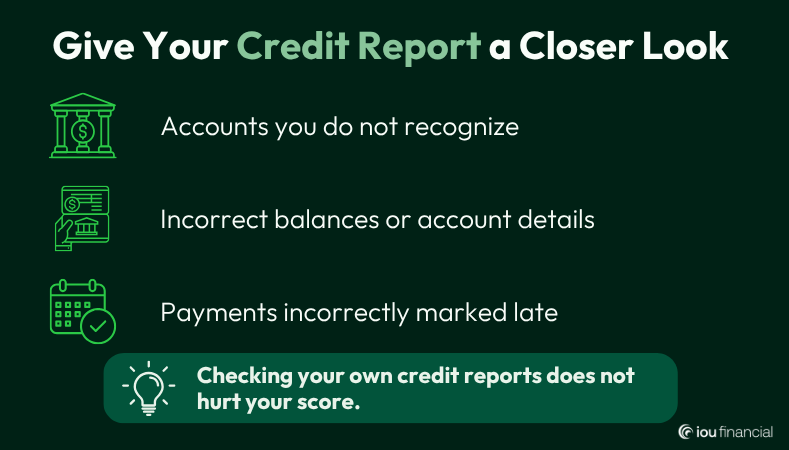
Start with your personal reports from Equifax, Experian, and TransUnion. You can request them free at AnnualCreditReport.com. Checking your own reports does not hurt your score.
Review all three, since the information may differ. Look for:
- Accounts you do not recognize.
- Balances or account statuses that appear incorrect.
- Payments marked late that your records show were on time.
If your business has credit reports, review those separately through bureaus such as Dun & Bradstreet, Experian Business, and Equifax Business. The free personal-report service does not provide business reports.
For an error on a personal credit report, the CFPB recommends contacting both the credit bureau and the company that supplied the information. Explain the issue, provide supporting documents, and keep copies of what you submit.
Disputing an error does not mean accurate negative information can be erased. Be wary of anyone promising a quick fix.
3. Make consistent payments your priority
Paying accounts on time helps build a stronger payment history. Set reminders or automatic payments, and make sure enough money is available to cover them.
If you have fallen behind, contact the creditor to discuss your options. Catching up will not erase past late payments, but it can help prevent the account from falling further behind.
Build a routine that fits your schedule. A few minutes each week to review upcoming due dates and available funds can make payments easier to manage during busy periods.
4. Lower credit card balances thoughtfully
For personal credit scoring, credit utilization is the share of your available revolving credit that you are using.
For example, a $4,000 balance on a card with a $5,000 limit means 80% utilization. Reducing that balance to $1,000 would bring it to 20%, assuming the limit stays the same.
Keeping balances low relative to your limits can help your credit profile. Thirty percent is a common guideline, not a guaranteed approval threshold. You do not need to carry a balance or pay interest to build credit.
Be thoughtful about closing cards, too. Closing one can reduce available credit and increase utilization if you still carry balances. It does not immediately erase the account’s history; accounts closed in good standing can remain on your report for up to 10 years.
Consider fees and the risk of overspending when deciding whether to keep a card. Avoid opening unnecessary accounts simply to increase your available credit, especially before applying for financing. New applications may trigger hard inquiries, and several in a short period can affect your score.
5. Give your business credit its own attention
Keeping business and personal finances separate makes your records easier to manage. A dedicated business bank account is a useful starting point, but opening one does not automatically establish a business credit history.
If you already buy supplies on payment terms, ask whether the vendor reports those payments to a business credit bureau. Not all suppliers do. Paying accounts that report as agreed can help establish a record of how your business handles its obligations.
Keep your business information accurate and consistent across accounts, and review any business credit reports for mistakes.
You do not need to take on expenses you would not otherwise incur just to build credit.
6. Prepare beyond your score
A stronger credit profile is useful, but a new loan still needs to fit your business’s cash flow. Lender requirements vary, and your revenue, existing obligations, and operating history may also affect the decision.
Before applying, work through these questions:
- How much funding do I need, and what will it pay for?
- What debt payments am I already making?
- When does revenue arrive, and when are major bills due?
- Could I manage the new payment during a slower month?
If you have been declined before, ask which factors affected the decision. That can help you focus on relevant changes before applying again.
How long does credit improvement take?
There is no single timeline.
Lower balances may affect your score after updated information is reported. Personal credit-report disputes generally take 30 to 45 days to investigate, and a correction does not necessarily change your score.
Rebuilding after missed payments can take longer. Many negative items can remain on a personal credit report for around seven years, even while you establish better habits.
Focus on what you can control: accurate information, consistent payments, and debt you can manage. Avoid planning around a promised score increase by a particular date.
Frequently asked questions
What credit score do I need for a small business loan?
There is no universal minimum across all lenders and products. Ask about eligibility requirements before applying, including which credit score or report the lender uses. Meeting a minimum score does not guarantee approval.
Can I get a business loan while I am still improving my credit?
Possibly, depending on the lender, financing product, and your overall application. Compare the total repayment amount, fees, payment schedule, and other terms carefully. An available loan still needs to be affordable for your business.
Does checking my own credit hurt my score?
No. Checking your own credit reports does not hurt your score. A lender’s credit check may involve a hard inquiry, so ask what type of check is used when you explore eligibility or apply.
Start preparing for your next financing conversation
You do not have to tackle every step this week. Start by reviewing your reports, addressing an error, or setting up a payment routine you can maintain.
Knowing where you stand makes it easier to decide whether to apply now or spend more time preparing.
Considering working capital for your business? Talk with an IOU Financial Business Growth Advisor about your needs and the application process.
Explore small business financing with IOU Financial.
This article is for general educational purposes only and does not constitute financial, legal, tax, or credit repair advice. Credit scoring models, lender requirements, and timelines vary. These steps do not guarantee a higher credit score, loan approval, or specific terms. Financing from IOU Financial is subject to application, underwriting, and approval. Consider consulting a qualified professional about your circumstances.
Sources
- ABA: Get Smart About Credit
- SBA: Preparing a Business Credit Application
- FTC: Free Credit Reports
- CFPB: Getting and Keeping a Good Credit Score
- CFPB: Disputing Credit Report Errors
- CFPB: Dispute Response Timelines
- Experian: How Long Closed Accounts Stay on Your Credit Report
- FTC: Fixing Your Credit FAQs