

How Your Business Credit Score Affects Loan Approval?
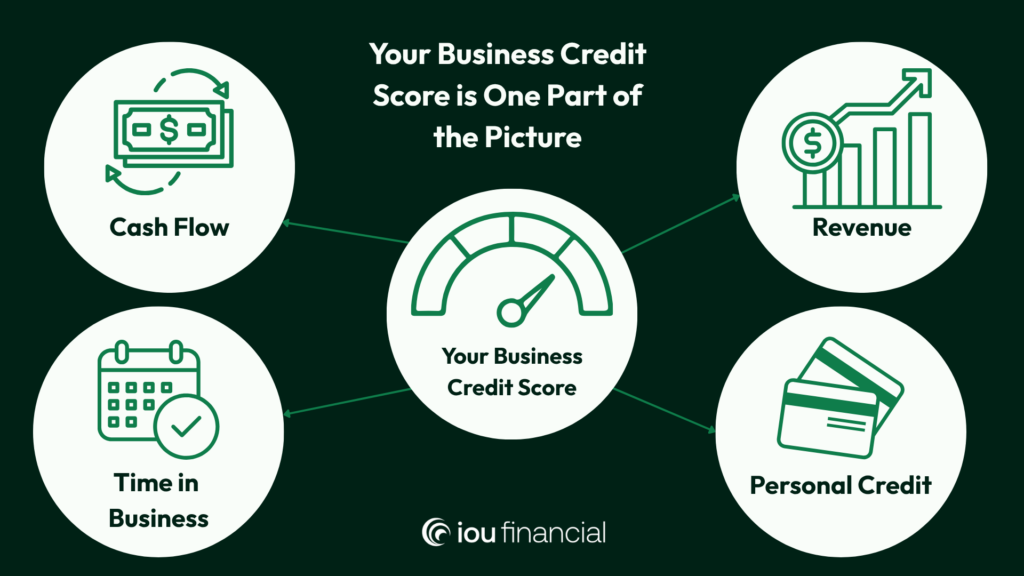
Quick answer: Your business credit score may affect loan approval, the amount offered, and your financing terms but it is rarely the only factor. Lenders may also consider cash flow, revenue, time in business, existing debt, personal credit, and the amount requested. A strong business credit profile can support an application, while a limited or lower score may cause the lender to review other financial information more closely.
If you are applying for a small business loan and wondering whether your credit will hold you back, you are asking the right question at the right time.
Your business credit score can help a lender understand how your company has handled previous financial obligations. However, there is no single business credit score used by every lender, and there is no universal score that guarantees approval.
Here is how business credit may factor into a lender’s decision and what you can do before applying.
What Is a Business Credit Score?
A business credit score is a risk indicator based on information in your company’s business credit file. Depending on the bureau and scoring model, that information may include:
- Payment history reported by vendors, suppliers, or lenders
- Outstanding balances and credit utilization
- Collections and public records
- Liens, judgments, or bankruptcies
- Company age, industry, and size
Different credit bureaus and scoring models use different ranges. For example, Dun & Bradstreet’s PAYDEX Score and Experian’s Intelliscore Plus both range from 1 to 100, with higher scores generally indicating lower payment risk.
Your business credit score is separate from your personal credit score. Personal scores evaluate an individual’s credit history, while business scores evaluate information reported about the company. Even so, a lender may review both when considering a small business financing application.
Does a Business Credit Score Affect Loan Approval?
Short answer: Yes, it may. A business credit score can be one factor a lender uses alongside cash flow, revenue, time in business, existing debt, personal credit, and other financial information.
Its influence depends on the lender, financing product, scoring model, and strength of the rest of the application. It may affect several parts of a financing decision.
1. Whether the Application Meets the Lender’s Criteria
Some lenders use business credit reports, scores, or risk categories as part of their eligibility requirements. A stronger profile may support approval, while a weaker or limited file may lead to additional review.
A high score does not guarantee approval, and a low or limited score does not automatically mean every lender will decline the application.
2. The Amount Offered
Depending on the lender and product, the company’s credit profile may help determine how much financing the lender is comfortable offering. The amount may also depend on revenue, cash flow, existing debt, and the business’s ability to manage the proposed payments.
3. Pricing and Terms
Business credit may influence the interest rate, fees, repayment term, or other conditions attached to an offer. However, lenders calculate risk differently, so a score that qualifies for certain terms with one lender may lead to a different result with another.
When reviewing an offer, compare the total repayment amount, fees, term, payment schedule, and other provisions—not only the amount approved. IOU Financial’s guide to comparing business financing offers explains what to review.
4. How Much Other Information Matters
If the business has a short or limited credit history, the lender may place more weight on cash flow, bank activity, personal credit, time in business, or other financial records.
That is why a business credit score should be viewed as one part of the application rather than a final answer by itself.
What Business Credit Score Do You Need for a Business Loan?
There is no single minimum business credit score required for every business loan.
The score needed, if the lender uses one at all, depends on:
- The lender and financing product
- The credit bureau or scoring model
- The amount requested
- The strength of the rest of the application
- The lender’s underwriting requirements
For example, Dun & Bradstreet considers a PAYDEX Score of 80 or above to be within its low-risk range. That does not mean 80 is a universal business-loan requirement. It only explains how Dun & Bradstreet classifies that particular score.
Instead of relying on one number found online, consider asking a prospective lender:
Which credit reports or scoring models may be reviewed, and what other factors will be considered with them?
What Else Do Lenders Consider Besides Business Credit?
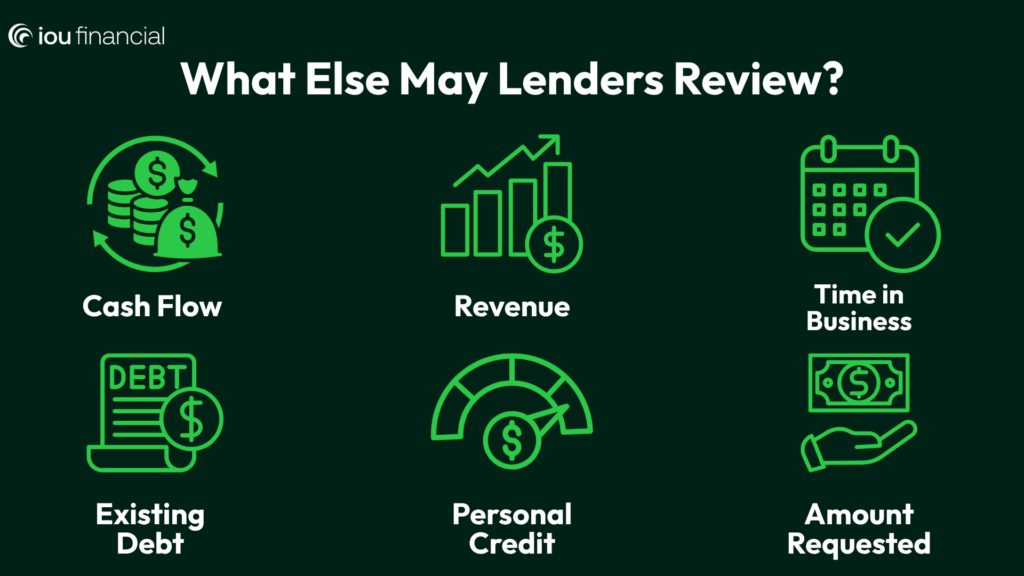
A business credit score is only one part of an application. Depending on the lender and financing product, other factors may include:
- Business cash flow and revenue
- Time in business
- Existing loans and payment obligations
- The owner’s personal credit
- Recent bank-account activity
- The amount requested
- The intended use of the funds
- Industry and business conditions
A strong score does not guarantee approval if the business cannot comfortably support the proposed payments. Likewise, a limited business credit history may not automatically result in a denial when the rest of the application is strong.
Can You Get a Business Loan With Low or Limited Business Credit?
Possibly. Low or limited business credit may narrow the available options or affect the terms offered, but it does not automatically prevent approval.
A lender may look more closely at the company’s revenue, cash flow, bank activity, time in business, existing obligations, or the owner’s personal credit.
It is also important to distinguish between a thin credit file and a damaged credit file. A thin file means there is not much reported information about the business. A damaged file may contain repeated late payments, collections, or other negative records. Lenders may evaluate those situations differently.
How Can You Strengthen Your Business Credit Before Applying?
If you have time before you need financing, these steps may help you prepare.
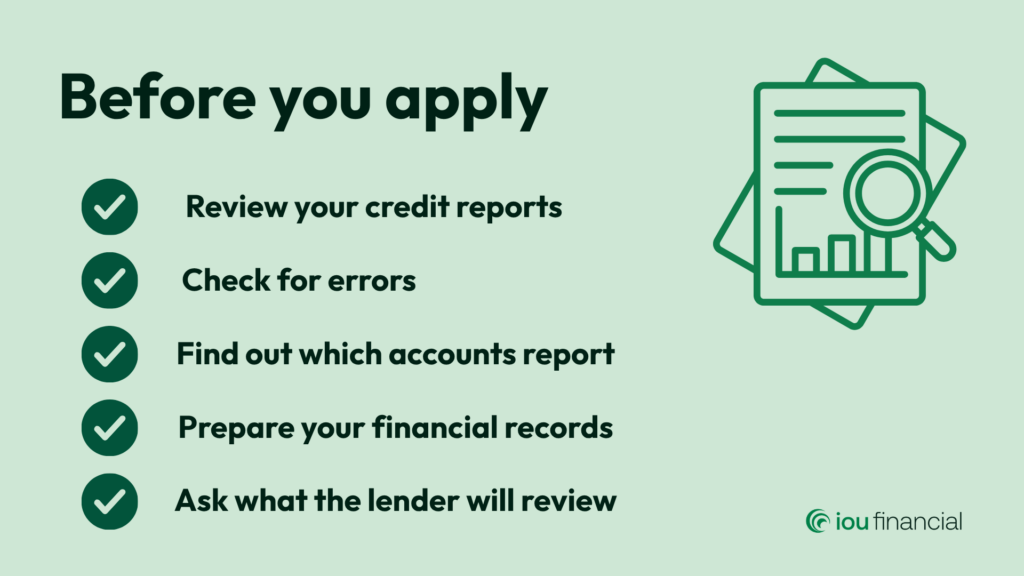
1. Review Your Business Credit Reports
Check whether your company has a file with the major commercial credit bureaus. Confirm that the legal name, address, industry, and other identifying information are accurate.
2. Look for Reporting Errors
Review the file for inaccurate late payments, balances, collections, liens, judgments, or other records. If you find an error, follow the bureau’s dispute process and provide supporting documents.
3. Find Out Which Accounts Report
Not every vendor, lender, or card issuer reports activity to business credit bureaus. Ask current providers whether they report, which bureaus receive the information, and how frequently it is submitted.
4. Pay Business Obligations on Time
Payment history is an important factor in business scoring models. Consistent, on-time payments can help demonstrate that your business manages its obligations responsibly.
5. Keep Credit Utilization Manageable
High revolving balances relative to available credit may signal additional risk under some scoring models. Review whether balances can be reduced without leaving the business short on cash for payroll, inventory, suppliers, or other operating needs.
6. Separate Business and Personal Finances
Dedicated business accounts can make recordkeeping clearer and help establish the company as a separate financial entity. However, an account generally contributes to a business credit file only when its activity is reported to a commercial credit bureau.
Improving business credit takes time. Be cautious of any company promising a specific score increase or guaranteed loan approval.
Frequently Asked Questions About Business Credit and Loan Approval
Does a Low Business Credit Score Mean Automatic Denial?
No. Lenders may evaluate cash flow, revenue, time in business, existing debt, personal credit, and other factors in addition to business credit. A lower score may affect the available options or terms, but it does not automatically rule out approval.
Will Applying for a Business Loan Hurt My Credit Score?
Not necessarily. IOU Financial uses a soft credit inquiry when reviewing your application, which does not affect your personal credit score. Other lenders may use a hard inquiry, which could affect your score, so ask what type of credit check will occur before applying.
Is My Personal Credit Score Also Considered?
It may be, particularly when the business is new, has a limited business credit history, or the financing requires a personal guarantee. Personal and business credit remain separate profiles even when a lender reviews both. Learn more about personal guarantees on business loans.
Does Forming an LLC Automatically Create Business Credit?
No. Forming a legal entity and obtaining an Employer Identification Number can help establish the company’s identity, but a business credit history generally requires accounts and payment activity that are reported to commercial credit bureaus.
How Quickly Can I Improve My Business Credit Score?
There is no guaranteed timeline. Correcting an error may help once the bureau completes its review and updates the file. Building a stronger payment history or reducing balances usually requires consistent financial management over time.
The Bottom Line
Your business credit score may affect loan approval, but it is not a universal pass-or-fail number.
Different lenders use different reports, scoring models, and underwriting standards. A strong business credit profile may support an application or more favorable terms, while a limited or lower score may cause the lender to rely more heavily on cash flow, revenue, personal credit, time in business, and other information.
Before applying, review your business and personal credit reports, correct inaccurate information, prepare the requested financial records, and ask the lender what information will be evaluated. That will give you a clearer idea of where your business stands and what financing options may fit.
Ready to Explore Your Business Financing Options?
Your business credit score is only one part of the picture. IOU Financial offers financing solutions for established small businesses, with applications subject to credit review and underwriting.
See what financing options may fit your business and learn what to expect before you apply.
See My Options → or talk to an IOU Financial advisor.
Financing products, qualifications, rates, terms, and approval decisions vary. Approval is not guaranteed. This article is for general informational purposes only and does not constitute legal, tax, credit, or financial advice.