


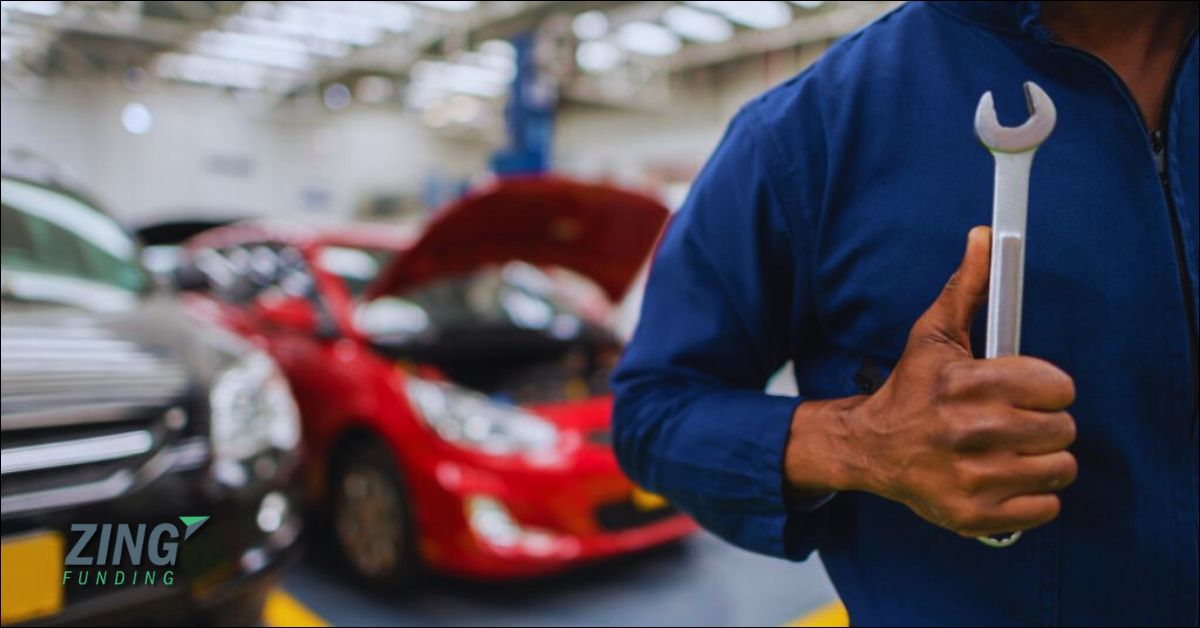
Knowing how to start an auto repair shop is more than just a business decision; it’s an opportunity to build a service that can become a cornerstone of your community.
In a world where vehicles are essential to everyday life, the need for reliable, trustworthy repair shops continues to grow.
This guide will take you through the critical steps of starting your own auto repair business, blending industry knowledge with insider tips to give you a head start.
Understanding the Auto Repair Industry
The first step in learning how to start an auto repair shop is understanding the industry you’re about to enter.
The automotive repair industry in the United States is massive, with annual revenues exceeding $65 billion.
As vehicles become more complex, with advanced electronics and computer systems, the demand for skilled technicians is only expected to increase.
But while the industry is booming, not all auto repair shops are thriving. Success hinges on your ability to specialize.
Shops that focus on niche services—such as electric vehicle repairs or European car maintenance—often see higher profit margins and less competition.
According to a report from the Bureau of Labor Statistics, the most successful shops are those that have adapted to the rapidly changing automotive landscape by offering specialized services.
Creating a Business Plan
Once you’ve understood the industry, the next step in how to start an auto repair shop is creating a solid business plan.
This document will be your roadmap, guiding you from concept to execution and beyond.
A well-crafted business plan not only outlines your vision but also forces you to think through the logistics of running a business.
It should include a detailed analysis of your market, a breakdown of start-up costs, and financial projections.
According to the Small Business Administration (SBA), businesses that create a business plan are twice as likely to grow, secure funding, and achieve long-term success compared to those that don’t.
Key Components of the Business Plan
- Executive Summary: This is the first section of your business plan but often the last you’ll write. It should summarize your business goals, the services you plan to offer, and your vision for the shop.
- Business Structure: Will you operate as a sole proprietorship, an LLC, or a corporation? Each structure has its own legal and tax implications, so choosing the one that best fits your business model is crucial.
- Services Offered: Detail the services your shop will provide. Will you focus on general repairs, or will you specialize in high-end vehicles, hybrids, or even vintage cars? Specialized services often lead to higher customer loyalty and the ability to charge premium prices.
- Marketing Strategy: Outline how you will attract and retain customers. This could include digital marketing, local SEO, and partnerships with dealerships or towing companies.
- Financial Projections: Include expected costs, revenue forecasts, and a break-even analysis. Make sure to be realistic in your projections, considering the costs of equipment, staffing, and inventory.
Securing Financing
Starting an auto repair shop requires a significant financial investment. From leasing a location to purchasing equipment, the start-up costs can quickly add up.
But don’t let that deter you—there are various financing options available to help you get your business off the ground.
Understanding Start-Up Costs
The first step in securing financing is understanding your start-up costs. These typically include:
- Lease or Purchase of Property: Depending on your location, real estate can be one of the most significant expenses.
- Equipment and Tools: Lifts, diagnostic machines, and other essential tools can easily cost tens of thousands of dollars.
- Licenses and Permits: You’ll need to budget for business licenses, zoning permits, and environmental compliance.
- Initial Inventory: Stocking up on parts and supplies will require an upfront investment.
Don’t overlook the cost of software. Modern auto repair shops rely heavily on management systems to keep track of appointments, inventory, and billing.
Investing in good software can streamline your operations and save money in the long run.
Financing Options
Once you’ve calculated your start-up costs, the next step in how to start an auto repair shop is securing financing.
- Small Business Loans: Traditional bank loans are a standard financing option for small businesses. The SBA offers loan programs specifically designed for new businesses, which can help you secure lower interest rates.
- Alternative Financing: If traditional loans aren’t an option, consider alternative financing. Equipment financing, for example, allows you to purchase necessary tools without paying the full amount upfront. Merchant cash advances and lines of credit are other options, though they often come with higher interest rates.
- Investor Opportunities: Another option is to bring on investors. This could be a partner who provides capital in exchange for equity in the business. While this means sharing ownership, it can also provide you with the funds needed to start your shop without taking on debt.
Choosing the Right Location
Location is everything when starting an auto repair shop. A well-chosen site can drive foot traffic, make your business more visible, and increase your chances of success.
Factors to Consider
When selecting a location, consider the following factors:
- Accessibility: Ensure your shop is easily accessible from major roads and highways. A location near residential areas or business districts can attract more customers.
- Visibility: High visibility is crucial. A shop that’s hard to find will struggle to attract walk-in customers.
- Zoning Laws: Verify that the location complies with local zoning laws for auto repair businesses.
- Proximity to Competitors: While some competition can be healthy, you don’t want to shop next to a well-established competitor unless you offer a unique service that sets you apart.
Deciding whether to lease or buy your shop’s location is another critical decision. Leasing is typically less expensive upfront and provides flexibility, but buying can be a better long-term investment if you’re confident in your shop’s success.
If you choose to lease, negotiate a lease that includes an option to buy. This gives you the flexibility to purchase the property in the future if your business takes off.
Obtaining Necessary Licenses and Permits
Before you can open your doors, you’ll need to obtain various licenses and permits. This step is crucial in learning how to start an auto repair shop, as operating without the necessary documentation can result in hefty fines or even the closure of your business.
Business Licenses
You’ll need a general business license to operate legally. The specific requirements vary by state, so check with your local government for the exact steps.
Zoning Permits
Zoning permits ensure that your shop is located in an area designated for commercial use. This is particularly important if you’re setting up shop in a mixed-use area.
Environmental Compliance
Auto repair shops must adhere to strict environmental regulations, particularly regarding waste disposal.
You’ll need to follow guidelines for disposing of hazardous materials like motor oil, batteries, and tires.
The Environmental Protection Agency (EPA) offers resources to help businesses comply with federal regulations.
Insurance Requirements
Proper insurance is non-negotiable. At a minimum, you’ll need general liability insurance, property insurance, and workers’ compensation insurance.
Consider additional coverage like garage keepers insurance, which protects against damage to customers’ vehicles while in your care.
Purchasing Equipment and Tools
The quality of your equipment will directly impact the quality of your service. Investing in the right tools is a critical step in how to start an auto repair shop.
Essential Equipment
Here’s a list of the essential equipment you’ll need:
- Lifts: Hydraulic lifts are essential for any auto repair shop. Consider the types of vehicles you’ll be servicing when choosing lifts, as larger vehicles may require more robust equipment.
- Diagnostic Machines: Modern vehicles are equipped with complex electronics that require specialized diagnostic tools.
- Hand Tools: A comprehensive set of hand tools, including wrenches, sockets, and screwdrivers, is a must.
- Air Compressors: These are necessary for running pneumatic tools.
- Tire Changers and Balancers: These machines are essential if you plan to offer tire services.
Quality vs. Cost
When purchasing equipment, going for the cheapest option can be tempting. However, investing in high-quality tools will save you money in the long run by reducing downtime and repair costs.
Look for used equipment in good condition. Many shops upgrade their tools regularly, leaving high-quality equipment available at a fraction of the cost of new tools.
Supplier Relationships
Establishing solid relationships with suppliers is crucial. Reliable suppliers can provide quality parts at competitive prices and offer financing options for larger purchases.
Hiring and Training Staff
Your employees will be the backbone of your business, so hiring the right team is crucial when learning how to start an auto repair shop.
Identifying Key Roles
Start by identifying the key roles you need to fill:
- Mechanics: Your primary employees are responsible for diagnosing and repairing vehicles.
- Service Advisors: These employees serve as the bridge between your customers and your mechanics, explaining necessary repairs and managing customer relations.
- Administrative Staff: Responsible for managing appointments, handling billing, and ensuring that your shop runs smoothly.
Recruitment Strategies
Finding skilled technicians can be challenging. Consider using a combination of online job postings, local trade schools, and networking within the industry to find qualified candidates.
Don’t overlook soft skills. While technical expertise is essential, mechanics who can communicate effectively and provide excellent customer service can significantly boost your business.
Training and Development
The automotive industry is constantly evolving, with new technologies and repair techniques emerging regularly.
Investing in ongoing training for your staff ensures that your shop remains competitive and can handle the latest vehicle models.
Building a Positive Work Culture
A positive work culture improves employee retention and enhances customer satisfaction.
Encourage teamwork, recognize employee achievements, and provide a safe and supportive work environment.
Marketing Your Auto Repair Shop
With your shop ready to open, the next step in how to start an auto repair shop is attracting customers.
Effective marketing can set you apart and help build a loyal customer base.
Branding
Your brand is more than just a logo—it’s the identity of your business. Develop a brand that reflects the values of your shop, whether that’s reliability, speed, or affordability.
Online Presence
In today’s digital age, an online presence is crucial. Create a professional website that showcases your services, includes customer testimonials, and allows for online booking.
Local SEO is vital—ensure your shop appears in local search results when potential customers search for “auto repair near me.”
Local Advertising
While online marketing is essential, don’t underestimate the power of local advertising. Consider sponsoring community events, running ads in local newspapers, and partnering with nearby businesses to spread the word about your shop.
Customer Retention
Acquiring new customers is important, but retaining them is even more critical.
Implement loyalty programs, offer referral incentives, and prioritize excellent customer service to keep clients returning.
Managing Day-to-Day Operations
Running an auto repair shop involves more than just fixing cars. Effective management of day-to-day operations is key to long-term success.
Inventory Management
Keeping track of parts and supplies is crucial to avoid delays and ensure that you can meet customer needs.
Consider using inventory management software to streamline the process.
Scheduling and Workflow
Efficient scheduling is essential to maximize productivity. Use scheduling software to manage appointments, assign tasks to mechanics, and ensure that repairs are completed on time.
Customer Communication
Clear and consistent communication with customers is critical.
Keep them informed about the status of their repairs, explain any necessary work in plain language, and follow up after the service is completed to ensure satisfaction.
Financial Management
Proper financial management is vital to keeping your business profitable.
This includes managing cash flow, keeping accurate financial records, and preparing for tax obligations.
Consider hiring an accountant or using accounting software to stay on top of your finances.
Growing Your Business
Once your shop is up and running, the next step in how to start an auto repair shop is planning for growth.
Expanding your services and scaling your business can help you reach new customers and increase your profits.
Expanding Services
Expanding your service offerings is one of the easiest ways to grow your business.
Consider adding new services like fleet maintenance, mobile repair, or specialty services for high-end vehicles.
Scaling Up
If your business is thriving, consider opening additional locations or expanding your current shop.
This can help you reach new customers and increase your market share.
Technology Integration
Leverage technology to improve your operations and customer experience.
This could include using repair management software to streamline workflow, integrating CRM systems to manage customer relationships, or offering online booking and payment options.
Building Partnerships
Partnerships can be a powerful tool for growing your business. Consider collaborating with local businesses, dealerships, or automotive parts suppliers for mutual growth.
For example, partnering with a local car dealership can provide your shop a steady stream of customers.
Conclusion
Starting an auto repair shop is no small feat, but with careful planning, the right investments, and a commitment to excellence, it can be a highly rewarding venture.
By following the steps outlined in this guide on how to start an auto repair shop, you’ll be well on your way to creating a successful and sustainable business.
Remember, the key to success in this industry is not just technical expertise, but also the ability to adapt to changing trends, manage your operations effectively, and provide outstanding customer service.
If you’re ready to take the plunge and start your auto repair shop, now is the time to act.
With the right approach and a focus on quality, you can build a business that not only meets your customers’ needs but also stands the test of time.
To ensure you have the financial support you need, consider contacting Zing Funding to explore how we can help you secure a small business loan for your auto repair shop.
Let us be your partner in turning your automotive dreams into a reality.
FAQs
What are the essential requirements for starting an auto repair shop?
To start an auto repair shop, you’ll need to have a solid business plan, adequate financing, and the necessary permits and licenses. You’ll also need to ensure you have a suitable location and the appropriate equipment and tools.
How do I find a profitable location for my auto repair shop?
When choosing a location, consider factors such as foot traffic, accessibility, and proximity to residential areas. Research local demographics and competition to identify a location with high potential.
What equipment and tools do I need to run an auto repair shop?
The necessary equipment and tools will depend on the specific services you plan to offer. However, essential items typically include diagnostic tools, engine repair equipment, transmission repair tools, and various hand tools.
How can I attract and retain customers for my auto repair shop?
Building a strong reputation for quality service and customer satisfaction is crucial. Consider offering promotions, loyalty programs, and online reviews to attract new customers and encourage repeat business.
What are the financial considerations when starting an auto repair shop?
Starting an auto repair shop requires a significant investment. You’ll need to factor in costs such as rent, equipment, supplies, employee salaries, and insurance. A well-thought-out financial plan will help you manage your expenses and ensure long-term profitability.